
Aastha Health Care
Gallbladder Surgery in Mumbai & Cost Procedure - AHC
Gallbladder Surgery in Mumbai & Cost Procedure - AHC
Gallbladder surgery is also known as Cholecystectomy. It is the surgical removal of the gallbladder. Especially if the stones are numerous, large, or calcified. The Cholecystectomy may be performed as traditional open laparoscopy or a less laparoscopic invasive procedure
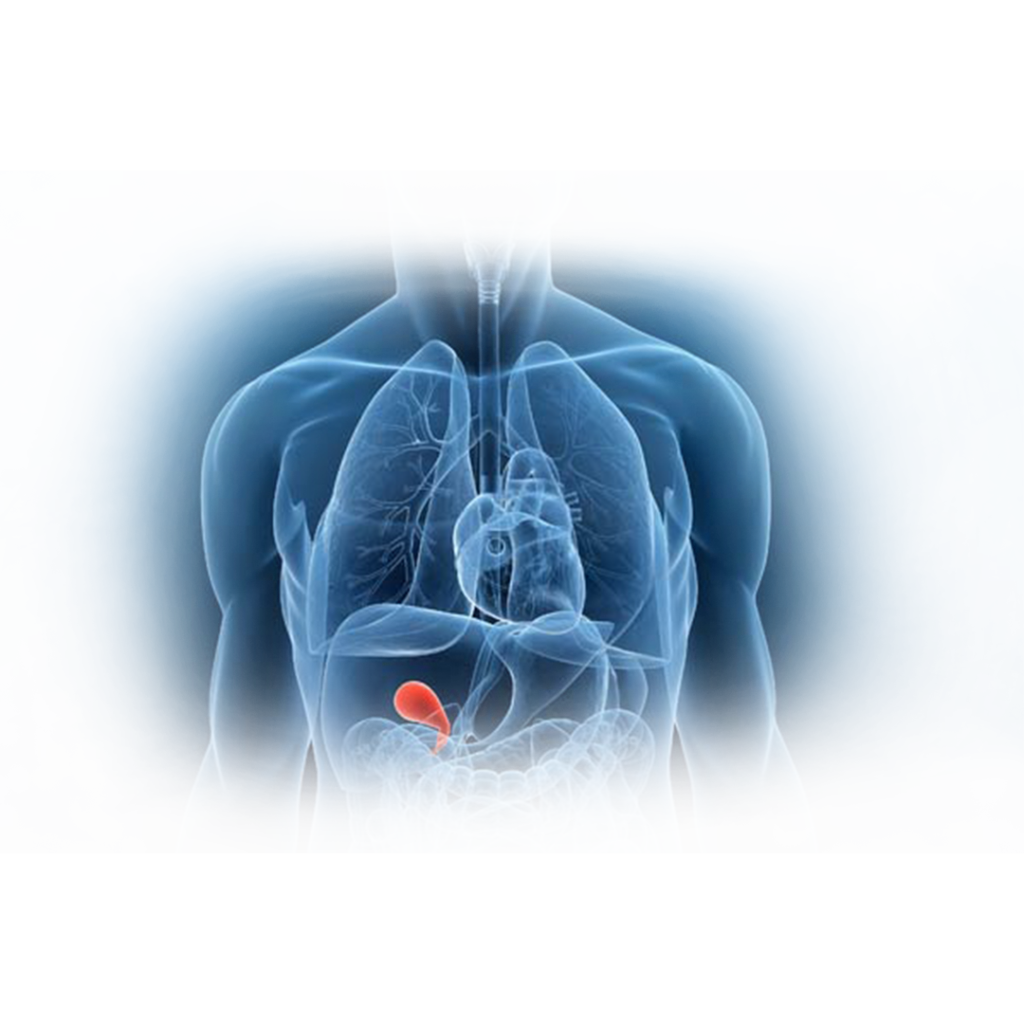
The gallbladder is a small organ under your liver. It is on the upper right side of your belly or abdomen. The gallbladder stores a digestive juice called bile which is made in the liver.
Hemorrhoids may cause pain, severe itching, and difficulty sitting. Fortunately, they’re treatable.
Indications for cholecystectomy - open / laparoscopic
- Cholecystectomy
- Cholelithiasis (Gallstones in the gallbladder)
- Choledocholithiasis (Gallstones in the bile duct)
- Gallbladder calcification
- Biliary colic
- Biliary pancreatitis
- Gallbladder cancer
- Other indications including biliary dyskinesia
Who needs to have their gallbladder removed?
There are several reasons which may consider gallbladder removal as the best treatment for patients. If a patient is suffering from gallstones regularly, chronic gallbladder inflammation may affect a patient’s way of life and a cholecystectomy would be recommended. This procedure is often used when there are stones in the gallbladder which are causing symptoms such as vomiting, pain, and sometimes even back pain and bloating.
Purpose of removing gallbladder
These are the small stones that can form in the gallbladder as a result of an imbalance in the substances that make up a bile.
Gallstones often cause no symptoms and you may not realize that you have them, but occasionally they can block the flow of bile and may irritate your gallbladder or pancreas. (Acute cholecystitis or Acute pancreatitis).
This can cause symptoms such as:-
- Sudden and intense stomach pain
- Feeling and being sick
- Yellowing of the skin and the whites of the eyes (jaundice)
Surgery to remove the gallbladder is the most effective treatment in the vast majority of cases.
Is cholecystectomy a major surgery?
Well cholecystectomy isn’t a surgery that most doctors do, it is a common surgery but it is still a major surgery with some serious risks and complications.
Before the Procedure
Your may have the following tests done before surgery:
Blood tests (complete blood count, electrolytes, liver and kidney tests)
Chest X- ray or electrocardiogram (ECG), for some people
Several x-rays of the gallbladder
Ultrasound of the gallbladder
Tell your doctor or nurse:
If you are or might be pregnant
Which drugs, vitamins, and other supplements you are taking, even ones you bought without a prescription
During the week before surgery:
You may be asked to stop taking aspirin, ibuprofen (Advil, Motrin), vitamin E, warfarin (Coumadin), and any other drugs that put you at a higher risk of bleeding during surgery.
Ask your doctor which drugs you should still take on the day of your surgery.
TYPES OF CHOLECYSTECTOMY :-
Your gallbladder is also the one of the parts of your body which lies under your liver on the right side of your abdomen. You may not be aware of what role it plays in your everyday functions. When your gallbladder is healthy, it is a combination of fat, cholesterol, and the fluids called bile which helps your small intestine in the process of digestion and nutrient absorption.
THERE ARE 2 TYPES OF CHOLECYSTECTOMY:-
Open Cholecystectomy:-
open cholecystectomy, the surgeon makes a 6-inch (15-centimeter) incision in your abdomen below your ribs on your right side. The muscle and tissue are pulled back to reveal your liver and gallbladder. Your surgeon then removes the gallbladder.
Surgery is done while you are under general anesthesia so you will be asleep and pain-free. To perform the surgery:
The surgeon makes a 5 to 7 inch (12.5 to 17.5 centimeters) cut in the upper right part of your belly, just below your ribs.The area is opened up so the surgeon can view the gallbladder and separate it from the other organs.The surgeon cuts the bile duct and blood vessels that lead to the gallbladder.The gallbladder is gently lifted out and removed from your body.
An x-ray called a cholangiogram may be done during your surgery.
To do this test, dye is injected into your common bile duct and an x-ray is taken. The dye helps find stones that may be outside your gallbladder.
If other stones are found, the surgeon may remove them with a special instrument.
The surgery takes about 1 to 2 hours.
Laparoscopic Cholecystectomy:-
The gallbladder is an organ that sits below the liver. It stores bile, which your body uses to digest fats in the small intestine.
During a laparoscopic cholecystectomy, the surgeon makes four small incisions in your abdomen. A tube with a tiny video camera is inserted into your abdomen through one of the incisions. Your surgeon watches a video monitor in the operating room while using surgical tools inserted through the other incisions in your abdomen to remove your gallbladder.
Next you may undergo an imaging test, such as an X-ray or ultrasound, if your surgeon is concerned about possible gallstones or other problems in your bile duct. Then your incisions are sutured, and you’re taken to a recovery area. A laparoscopic cholecystectomy takes one or two hours.
A laparoscopic cholecystectomy isn’t appropriate for everyone. In some cases your surgeon may begin with a laparoscopic approach and find it necessary to make a larger incision because of scar tissue from previous operations or complications.
RECOVERY:-.
Cholecystectomy, also known as gall bladder removal surgery, is a safe and effective procedure. A cholecystectomy can relieve the pain and discomfort of gallstones. The operation is performed to treat gallstones and other related complications such as polyps and pancreas inflammation. Cholecystectomy carries a small risk of complications, which can be reduced through the appropriate cholecystectomy recovery practices.
How fast is gallbladder recovery?
Recovering from a cholecystectomy can depend on the type of procedure performed. Laparoscopic cholecystectomy doesn’t require an overnight stay, and patients can fully recover in about two weeks.
Open cholecystectomy surgery patients may stay in the hospital for anywhere between 3-5 days due to the more invasive nature of the procedure. Recovery time can take between 6-8 weeks. Gallstones won’t come back after the surgery. The right care can help heal the surgery wound faster and better.
Follow these 3 tips for enhanced recovery.
Alter your diet:-
After surgery you have to maintain your diet pattern for your recovery, you have to control / change your food habits. Your doctor will suggest to you which foods to eat or not.
Use painkillers:-
After surgery you may have suffer from pain, your doctor will prescribe you some medications you should take from time to time and take rest.
Take care of your stitches and wounds:-
Stitches are also a part of your surgery, you should take care of it after surgery, don’t lift heavy weights, stop doing heavy workouts etc. ask your doctor for the things which you can do or not.
Book Your FREE Consultation Now